
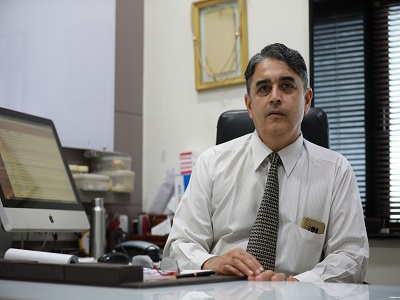
Meet Dr. Ketan Vartak
Head of the Department of Urology | Pune
Dr. Ketan Vartak brings over 28 years of experience in urology, combining extensive surgical expertise with advanced medical technology to provide comprehensive care for a wide range of urological conditions.
As Head of the Department of Urology at Apollo Hospitals, Pune, Dr. Vartak is committed to delivering personalized treatment through evidence-based practices, minimally invasive procedures, and advanced surgical techniques.
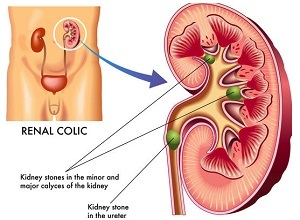
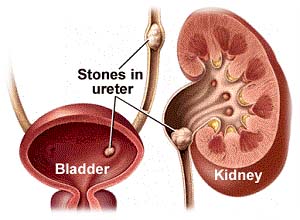
Kidney & Urinary Stone Treatments
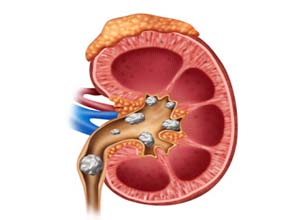
Advanced treatment options for kidney, ureteric, and bladder stones, including minimally invasive procedures and laser-assisted techniques tailored to each patient’s condition.
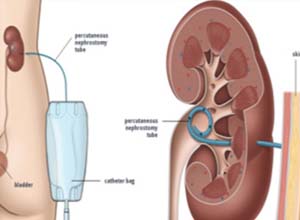
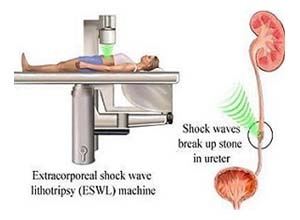
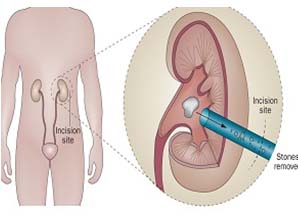
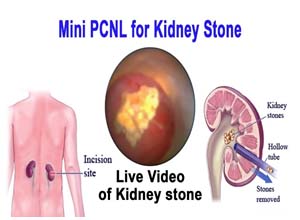
Advanced Urological Therapies
Explore specialized treatment approaches and advanced therapeutic solutions for a range of urological conditions.
Huge Renal Stone
Specialized treatment for large kidney stones using advanced endourological techniques, ensuring effective stone removal and improved outcomes.
Broken Staghorn Stone
Expert management of complex staghorn stones with advanced procedures designed for complete clearance and kidney function preservation.
Bilateral Staghorn Stone
Comprehensive treatment for staghorn stones affecting both kidneys using advanced surgical and minimally invasive techniques.
Large Renal Stone
Advanced kidney stone treatment solutions for large renal calculi with high success rates and minimally invasive approaches.
Extracted Stone
Successful removal of kidney and urinary tract stones through advanced endoscopic and laser-assisted stone management procedures.
Staghorn Stone
Specialized treatment for complex staghorn kidney stones using modern endourology techniques for maximum stone clearance and recovery.
Bilateral ESWL
Advanced shock wave therapy for stones in both kidneys, offering non-invasive treatment with minimal discomfort and downtime.
Experience & Milestones
A Journey of Experience, Innovation and Advanced Urological Care
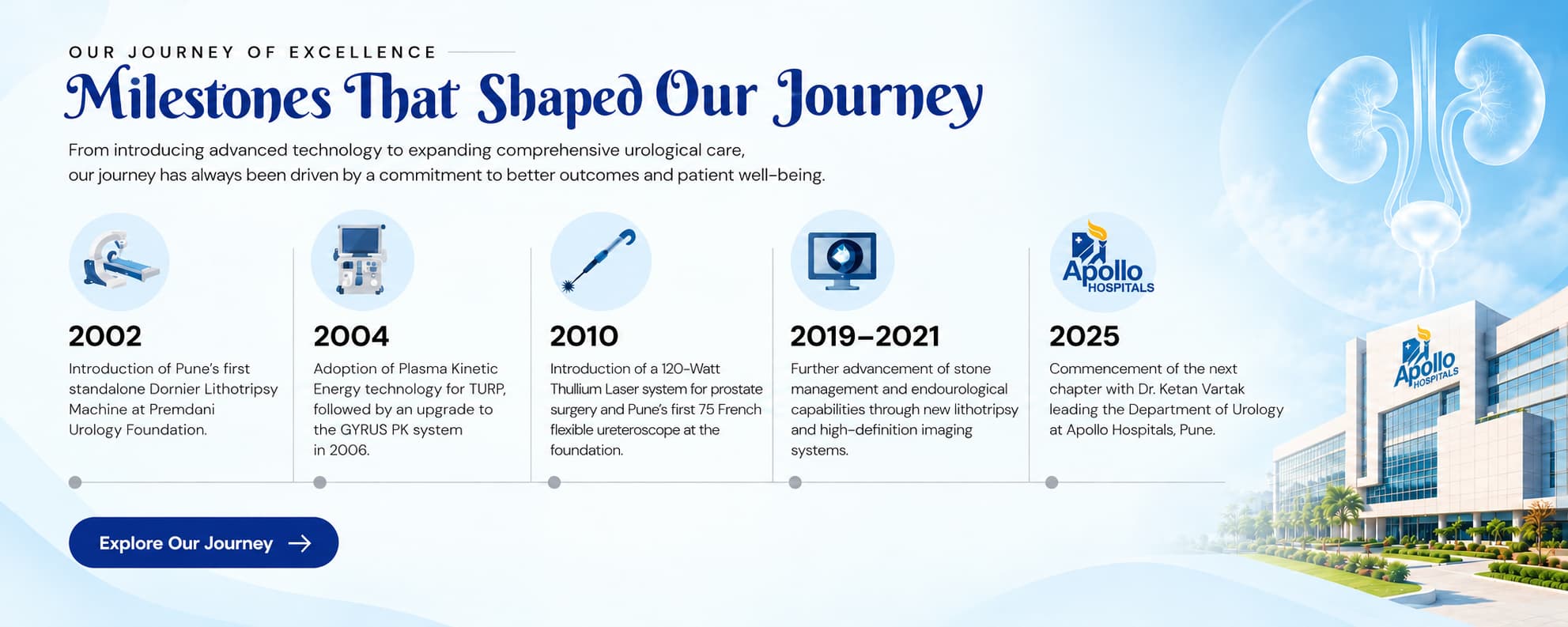
With over 28 years of experience in urology, Dr. Ketan Vartak has been associated with the advancement of laser surgery, endourology, kidney stone management, and reconstructive urological procedures.
His professional journey reflects a continued commitment to adopting advanced technologies, refining surgical techniques, and expanding treatment options for complex urological conditions.
PCNL Procedures Performed at Pramodini Urology Foundation by 2024
Patient Experiences
Ravi Talreja
Rupesh Shirgawe
Dinesh Ambure
Abhishek Ainchi
suryawanshi laxman
Tushar Wagh
Frequently Asked Questions
Consult a urologist if you experience blood in the urine, recurring urinary infections, difficulty urinating, persistent urinary symptoms, kidney stone problems, or other concerns involving the urinary tract. Inability to pass urine or fever with severe flank pain requires urgent medical assessment.
Treatment depends on the stone’s size, location, composition, symptoms, and associated complications. Options may include observation, medication, ureteroscopy, RIRS, laser lithotripsy, or PCNL. Your urologist can recommend the appropriate approach after evaluation.
Retrograde Intrarenal Surgery (RIRS) is a minimally invasive procedure in which a flexible ureteroscope is passed through the urinary tract to reach stones within the kidney. A laser may then be used to fragment the stones when appropriate.
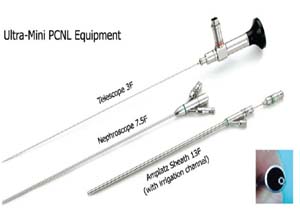
Percutaneous Nephrolithotomy (PCNL) is a surgical procedure used primarily to remove larger or complex kidney stones. Instruments are introduced through a small opening in the back into the kidney. The appropriate technique depends on the stone burden and the patient’s condition.
Benign prostatic hyperplasia is a non-cancerous enlargement of the prostate that can obstruct urine flow and cause symptoms such as frequent urination, a weak stream, urgency, or difficulty emptying the bladder. Treatment may involve monitoring, medication, or surgery depending on symptom severity and clinical findings.
Thulium Laser prostate surgery uses laser energy to treat excess prostate tissue in selected patients with BPH. Depending on the technique, tissue may be removed through enucleation or vaporization. Suitability depends on the patient’s prostate and overall medical condition.
Not every patient is suitable for every minimally invasive procedure. The recommended treatment depends on the diagnosis, anatomy, medical history, stone or prostate characteristics, and other clinical factors.
Bring previous medical records, scan reports, laboratory results, current medication details, and a list of your symptoms. Mention any blood-thinning medication or significant medical conditions so the doctor can assess your situation appropriately.
You can contact Apollo Hospitals, Pune, through its official appointment channels to confirm consultation availability, timings, and booking requirements.